Comprehensive Guide to Selecting Concrete Testing Machines
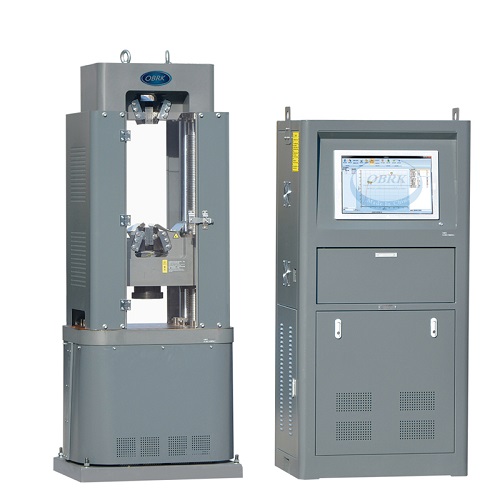
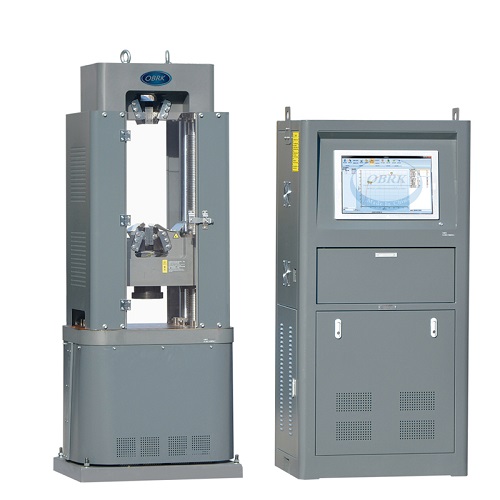
Concrete testing machines are indispensable for ensuring the quality, safety, and durability of modern structures. From high-rise foundations to infrastructure projects, selecting the right equipment—such as the HYE-2000B 2000kN Microcomputer Servo Pressure Testing Machine—is critical for precise material evaluation.
Core Categories of Concrete Testing
Compression Testing Machines: The industry standard for measuring load-bearing capacity. Options include high-precision Hydraulic systems for consistent performance and cost-effective Mechanical systems.
Flexural & Tensile Testing: Specialized equipment for determining bending strength via third-point or center-point tests, and splitting tensile strength using the Brazilian Test method.
Non-Destructive Testing (NDT): Innovative solutions like Ultrasonic Pulse Velocity (UPV) and Rebound Hammers (Schmidt Hammers) allow for in-situ quality control without damaging the concrete structure.
Key Selection Factors
To ensure your laboratory meets international standards like ASTM, EN, or ISO, consider the following:
1. Capacity: High-rise projects typically require a minimum of 2,000 kN capacity.
2. Automation: Microcomputer-controlled servo systems reduce human error through automated loading and real-time data acquisition.
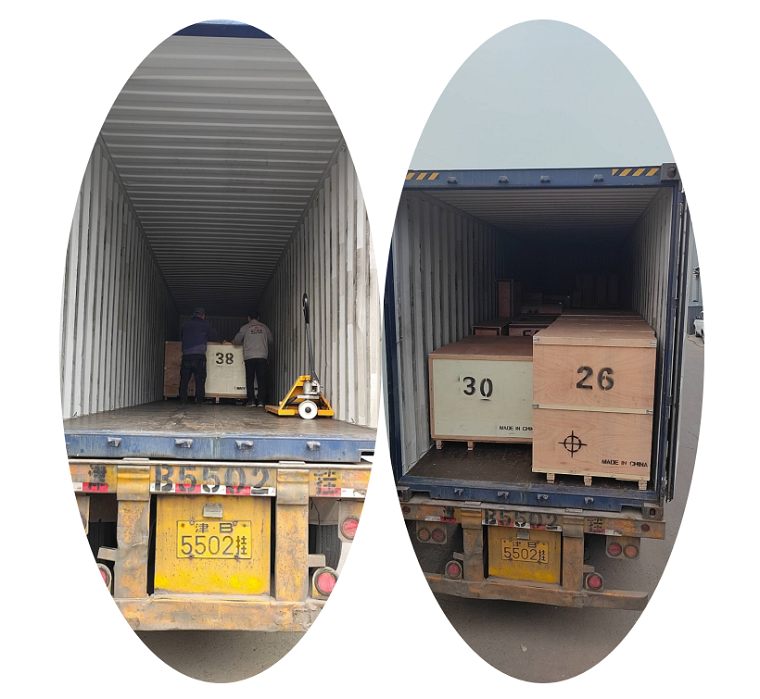
3. Compliance: Ensure the manufacturer provides full calibration support and technical documentation for global trade requirements.
Contact: Alice Bai
Tel: +8618633093611
Phone:
E-mail: alice@chinesemoulds.com
Add: 12 Building Fengxiangyuan, Binhedajie, Xianxian, Cangzhou City, Hebei Province, 062250,China
E-mail: alice@chinesemoulds.com
WhatsApp: +86 186 3309 3611
Add: Xianxian, Cangzhou, Hebei, China